Archive for March, 2008

March 01, 2008
Filed Under (Uncategorized) by Brian on 01-03-2008

I read a study once that suggested that successful candidates are often selected during the first five minutes of a job interview. People, it seems, have a tendency to quickly assess others based on whether their looks, mannerisms, and demeanor inspire a sense of confidence and trust. We seek out in others what we value in ourselves, even in the most innocuous settings.

Webster defines prejudice as a “preconceived idea.” These prejudices could be minor or they might be major. We all have them. They have the potential to distance or alienate; to engender fear or ridicule. The Roma have suffered the brunt of prejudice for centuries. But when I first traveled to Bulgaria, I had no preconceived ideas regarding the Roma to speak of. In fact, I had never heard of them.

The Peace Corps placed us to live with a host family for three months while we studied the Bulgarian language and prepared for our work assignments. By chance, I was placed with a Roma family. This was highly unusual at the time. Roma in Eastern Europe are desperately indigenous and often could not pass the requisite criteria to host volunteers. My host family did not live in the traditional mahala, the Roma ghetto. They had acquired a small home cheaply during the Second World War

It was a comfortable home, though they were desperately poor. The mother was Bulgarian; she had been wooed and won as a young woman by a Roma construction worker. Her family disowned her for a time, though had long since reconciled by the time I arrived. Still, she claimed to be Roma at heart. Her children were considered Roma. And her passion took her daily to the heart of the mahala—she was a kindergarten teacher to Romani children.

In that home I experienced a kind of vibrancy I had never before experienced. I fell in love. With the kindness, the life, the sorrow, the music, the culture, and the grim determination to laugh in the face of adversity. It came as something of a shock when I left to teach in a far-off town and was greeted with some horror. They let you live with a Roma family? You didn’t get sick? They didn’t steal from you? They didn’t behave badly toward you?

I couldn’t understand why people thought such things could be true. I immediately began to make a nuisance of myself and asked everyone I could whether I might find Roma leaders with whom to organize a summer camp for Roma children. I met with a lot of resistance. It was bad enough that I wanted to help the Roma- but I was an American who wanted to help. Who did I think I was? Then I met an expatriate professor allegedly married to a Roma woman. When I asked him to help he gruffly snorted. I heard nothing more for many months and began to think the whole thing was a bad idea.

Then, one day, he called. “We’re ready if you’re ready,” he reported. “If you have the funding to make this happen, we can provide Roma teachers and students. They are looking forward to the summer camp.” I was dumbstruck—and then ecstatic. I immediately began making calls and writing letters to the States. Another Peace Corps volunteer chipped in, and soon we had our funding—and our camp.

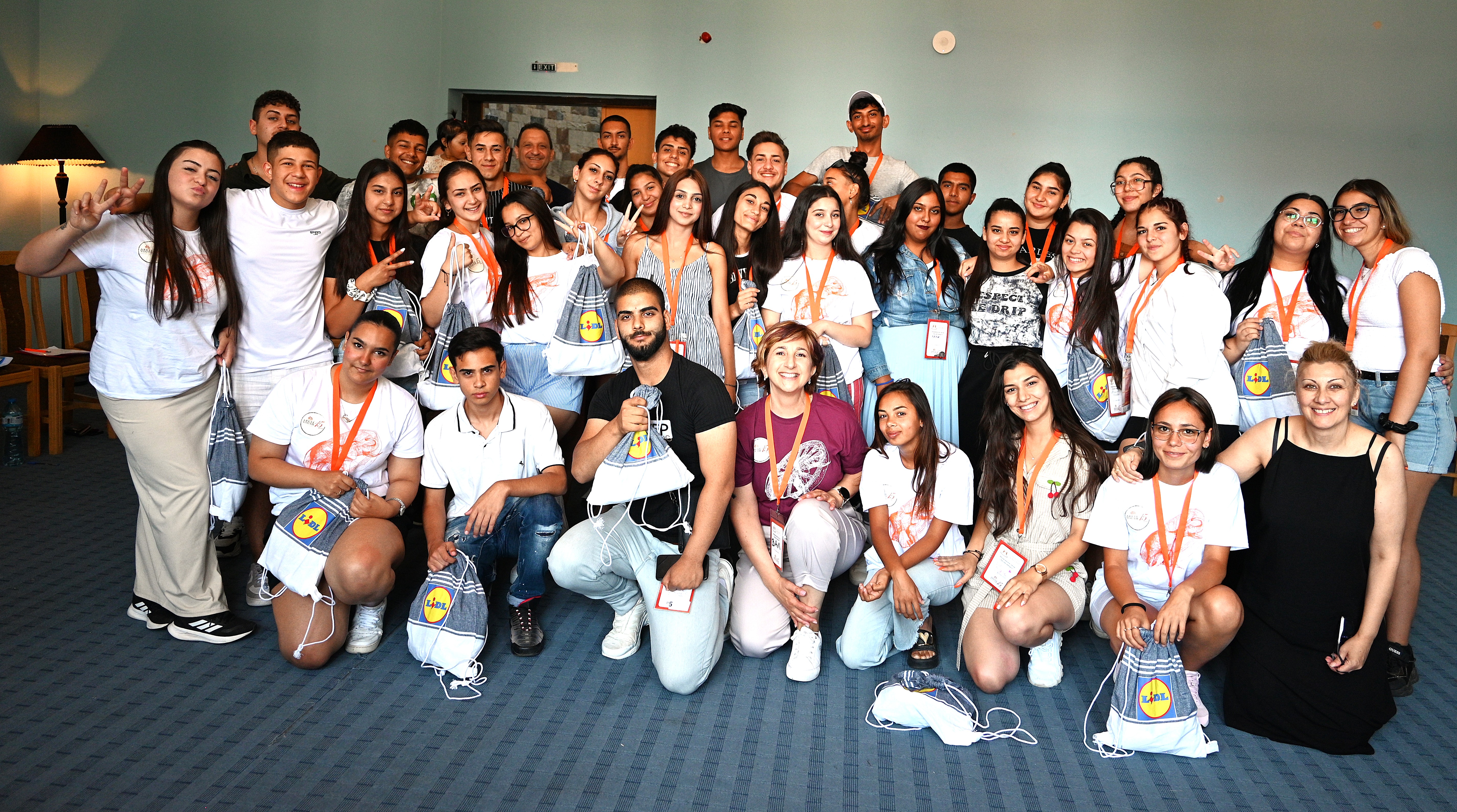
The children were marvelous—excited, eager, and courteous. They were young and yet seemed so old. What were they thinking, who did they want to become? The camps passed without a hitch. We played games and had lessons on Roma culture and history. Most of the children had never heard anything positive about their origins. They soaked it up like a sponge.

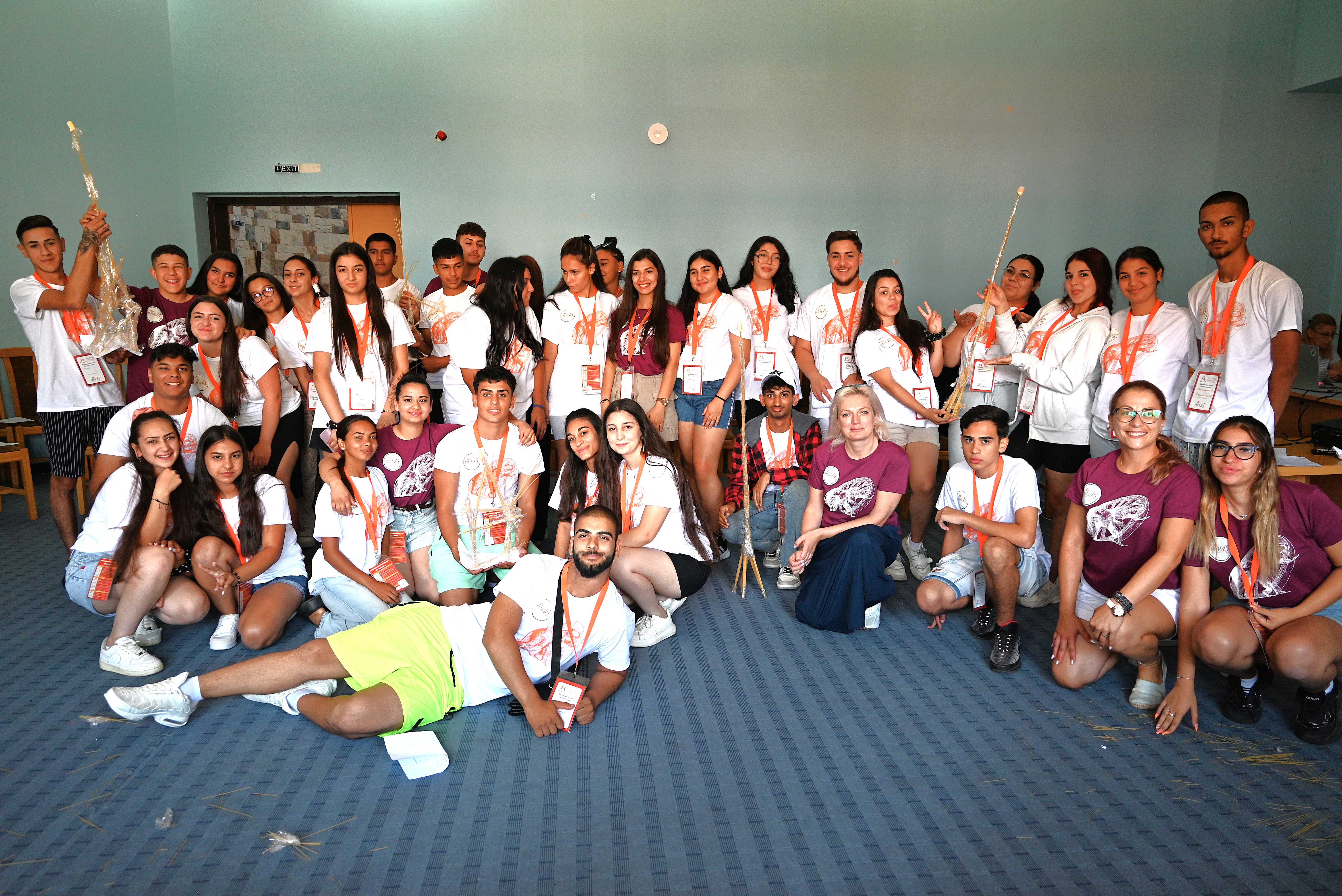
Then the next year was upon us. I began to think of organizing another camp for the children, but a Roma woman with whom I was working had bigger ideas. She wanted to target the camps toward high school students. How many are there, I wondered? So few Roma children at the time made it to high school. This would be an opportunity to encourage them to complete their education and to discuss their culture and history in a positive light—something lacking in schools at the time. Together with other Peace Corps Volunteers, we applied for a Small Project Assistance (SPA) grant. We worked with local professors to design a curriculum that emphasized motivational exercises and team-building. And we invited Roma musicians and activists to speak with the youth. The camps were a huge success. The prototype for all the camps that have followed had begun.

These camps have now been replicated across Bulgaria. This summer will be the eighth consecutive year in which they have occurred. It might be easy to discount the profoundly positive impact of this unique curriculum—which reinforces positive thinking, teamwork, motivation, and sense of self. But the importance of camps for Roma youth continues. Roma are still the most disadvantaged ethnic minority group in Eastern Europe. Despite the daily challenges they face, the majority of Roma youth with whom I have worked continue to exhibit a passion for life, and a desire to make a difference—both in their lives as well as their communities. Several youth from our camps have gone on to attend college, others have become activists in their communities, still others left with the simple conviction that their history was something to be proud of. This, in my mind, is a cause worth supporting and fighting for.

Sarah